Why Natives

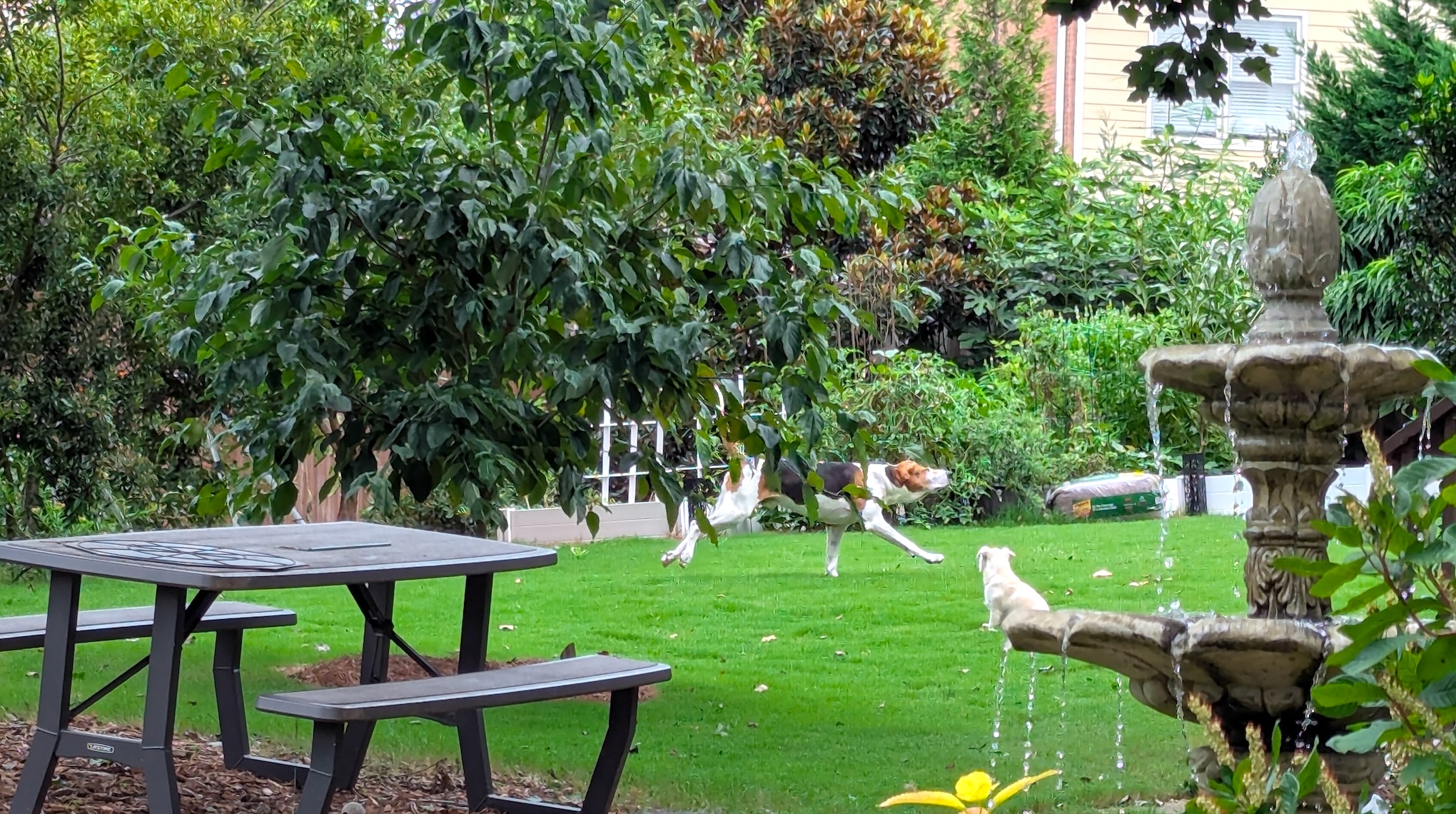
A typical yard
When you imagine an archetypal suburban house, the first thing that comes to mind is a manicured lawn. There is no doubt that lawns have their appeal:
- A green lawn that's well maintained undoubtedly looks good.
- It makes for a soft surface for the kids to play on.
- It controls soil erosion.
- Compared to concrete, it doesn't get as hot, and also helps absorb water through the soil to replenish groundwater.
However, having a yard with nothing but an extensive lawn is not the best use of your land:
- Lawns need constant upkeep, they require mowing as often as every week - which costs time, money, and energy.
- A weed-free lawn necessitates copious usage of chemicals - fertilizers, herbicides, fungicides - which cost a pretty penny and require timely applications.
- The larger the lawn, the more watering it needs - which means high water bills especially in the hotter months.
- A lawn composed of a particular grass species (often non-native) is a monoculture with limited ecosystem benefits.
Historically, lawns used to be a 'status symbol' associated with European aristocracy - if you belonged to nobility, you could 'signal' that you have so much land that you can afford to do nothing with it except to have a perfectly manicured lawn, rather than use it for farming or for livestock. This concept was carried over to American suburban houses in the 19th century as a symbol of the American Dream.
But it is time to adapt from this holdover of the past. Just like ideas which evolve over the ages - things that were widely accepted as a product of their time get redefined, people are becoming more aware and want more from their yards. An increasing number of homeowners are converting their lawns into planting beds incorporating native plants - not only because it is better for the environment (it is!), but for numerous direct benefits to the homeowner - in terms of time, money, and resources.
We can do one better - rather than get rid of the lawn altogether, why not have the best of both worlds? You can use your land to grow your own food, have areas to sit, relax, hear the birds chirp, connect with nature, recharge, and slow down the frantic pace of your everyday life.
Help wildlife
Numerous studies have shown a dramatic decrease in insect populations worldwide. Insects provide a tremendous ecosystem service by helping pollinate flowers - a significant amount of which turns into the food we eat. They are also an important part of the food chain. Without insects, the population of birds and mammals (among other species) that depend on them for food would drop. You can imagine the catastrophic effects this would have on the ecosystem. When the base of the food chain is disturbed, the entire balance starts to crumble.
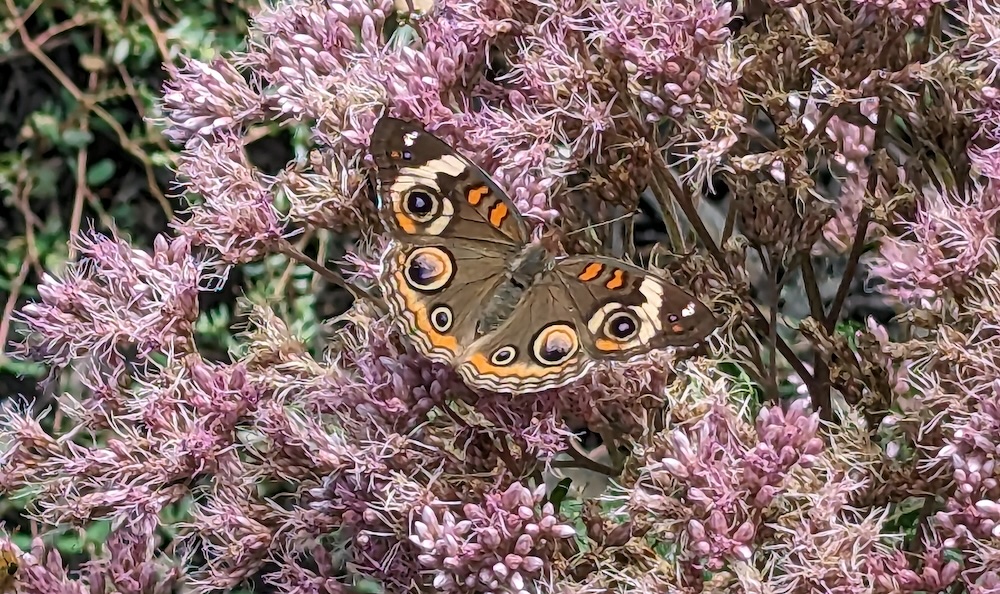
What can we do to solve this? Plant more natives! Native plants have evolved for millions of years along with the insects endemic to that region. They have learned to coexist and form symbiotic relationships. When a plant is not native to the region, native insects won't generally lay eggs on it or use it as food. When you plant more natives, you encourage the insects who use them as a host to come back. Eventually, their numbers increase and you start noticing other wildlife frequenting your yard.
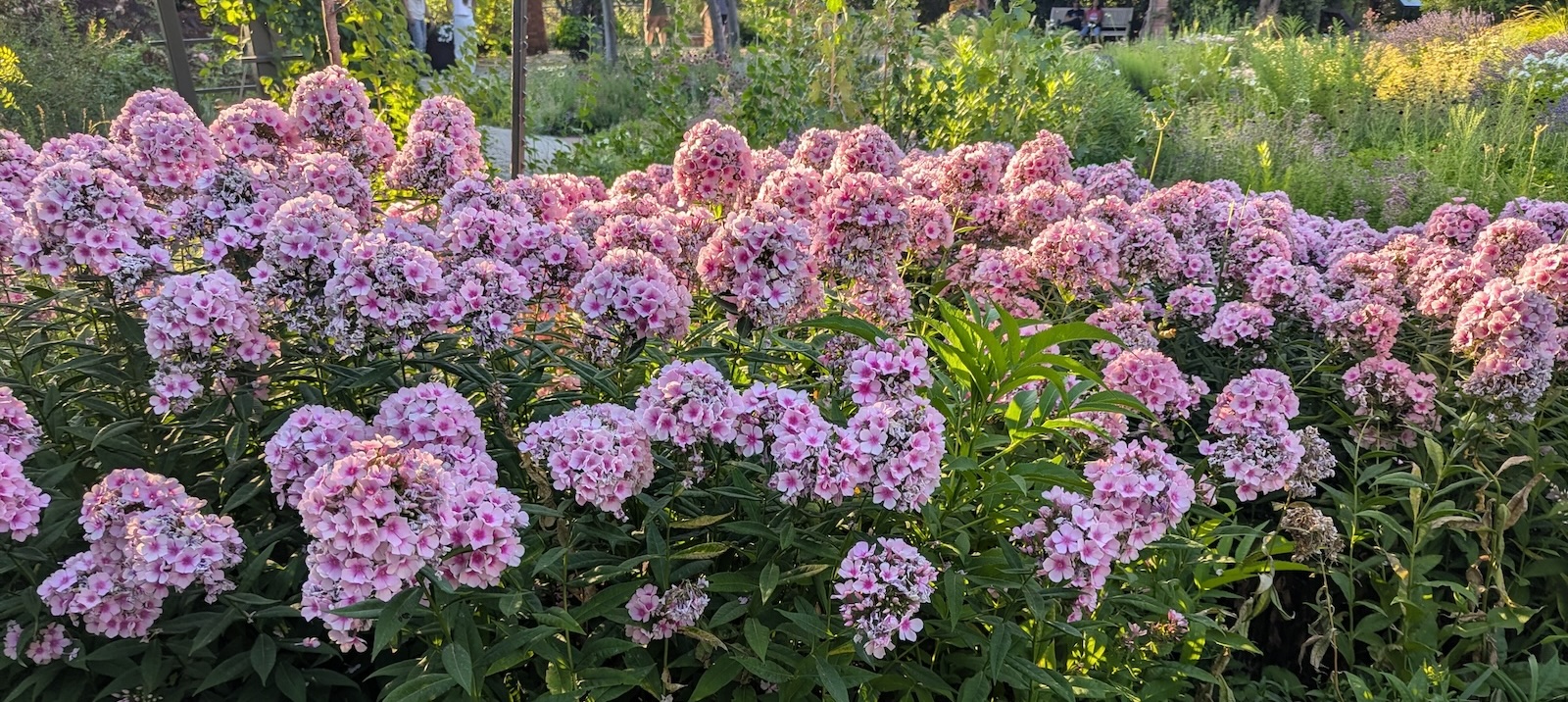
Different plants bloom at different times during the season. Having a variety of plants ensures blooms throughout the year. This makes your yard a hotspot for pollinators across the seasons.
Low maintenance
Since native plants have evolved in a region for millions of years, they are fully adapted to its climate and have developed a good resistance to diseases and pests. If you think about it, these plants grow in the wild on their own. In nature, they don't need any additional maintenance because they are part of the natural ecosystem. They have learned to adapt and thrive in the region where they are naturally found - for example in the eastern US that includes regions with heavy red clay soils. That's another huge benefit to the homeowner - this means a landscape with plenty of native plants can generally take care of itself. This makes it very easy to maintain - saving you time and money, year over year, when compared to maintaining an equivalent lawn area. Saying that it pays for itself would be an understatement!
A regenerative landscape
Nature always has the answers. This is the guiding philosophy in our designs. We work with nature, rather than fight against it. We study and recreate natural processes. This makes your landscape not just sustainable, but also regenerative - which takes it one step further. The soil (which is the fundamental building block of the ecosystem) is naturally improved over time. Water is conserved and captured into the earth. The end goal is when the ecosystem is in equilibrium, resilient, and perfectly balanced. It takes care of itself, and you can be closer to nature - right in your yard!